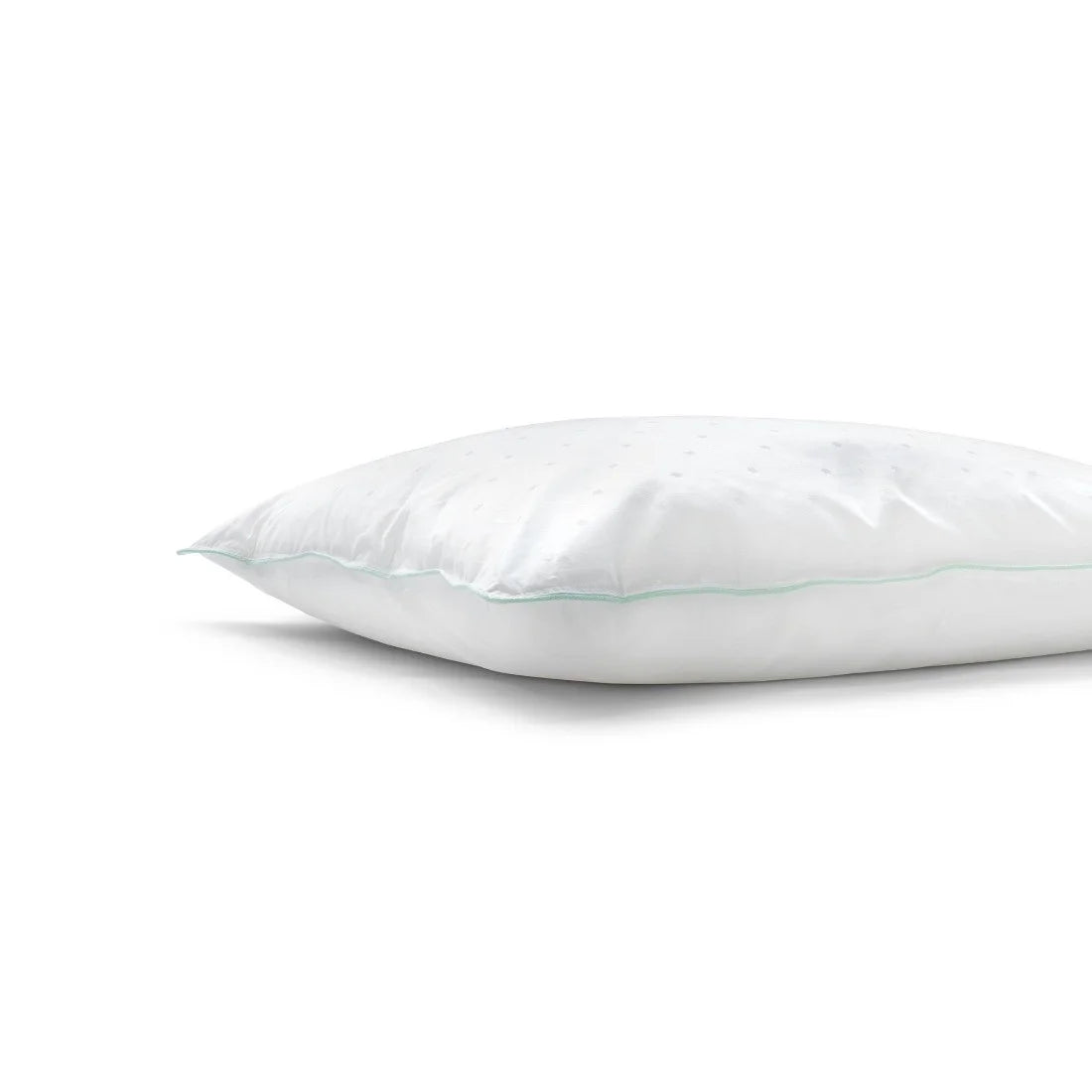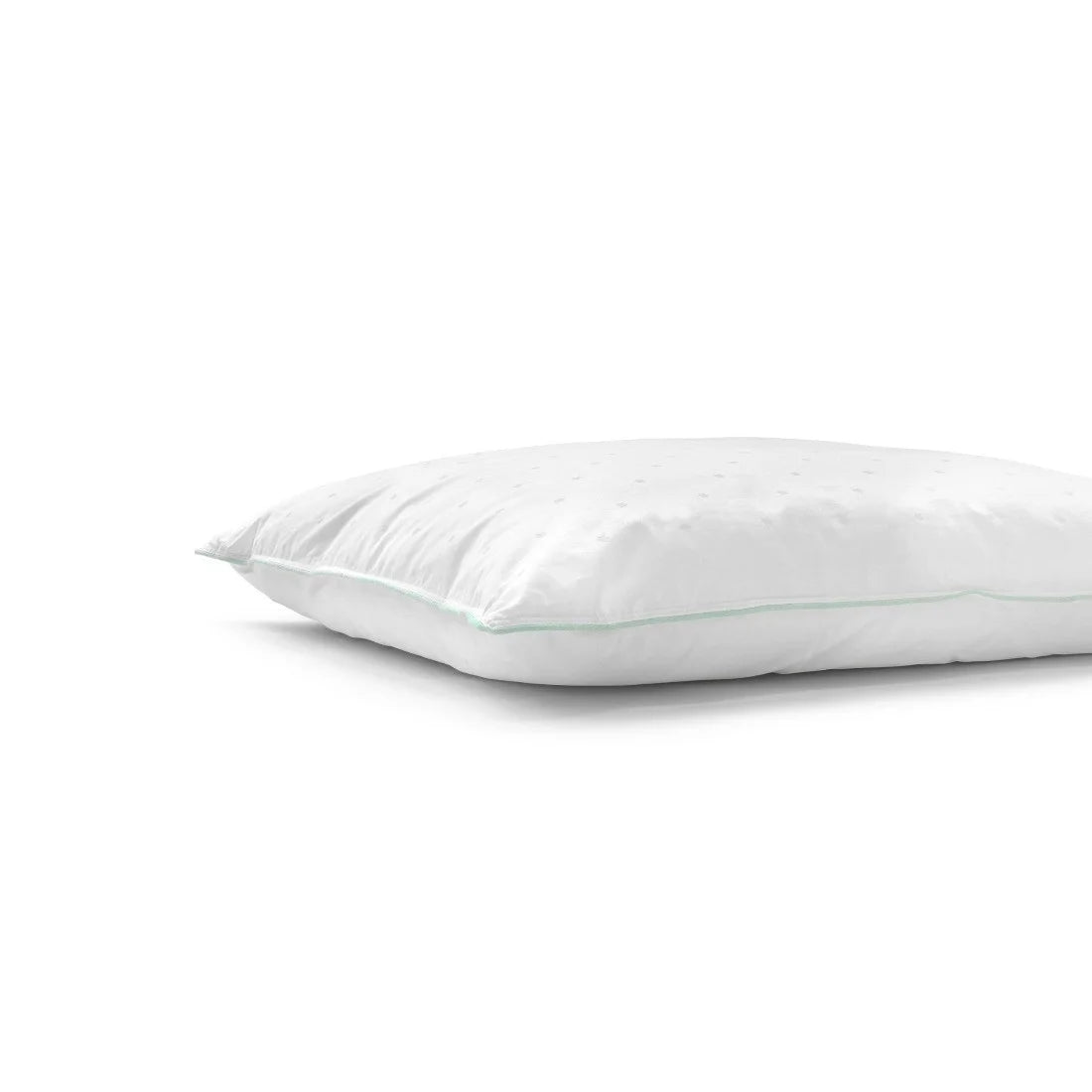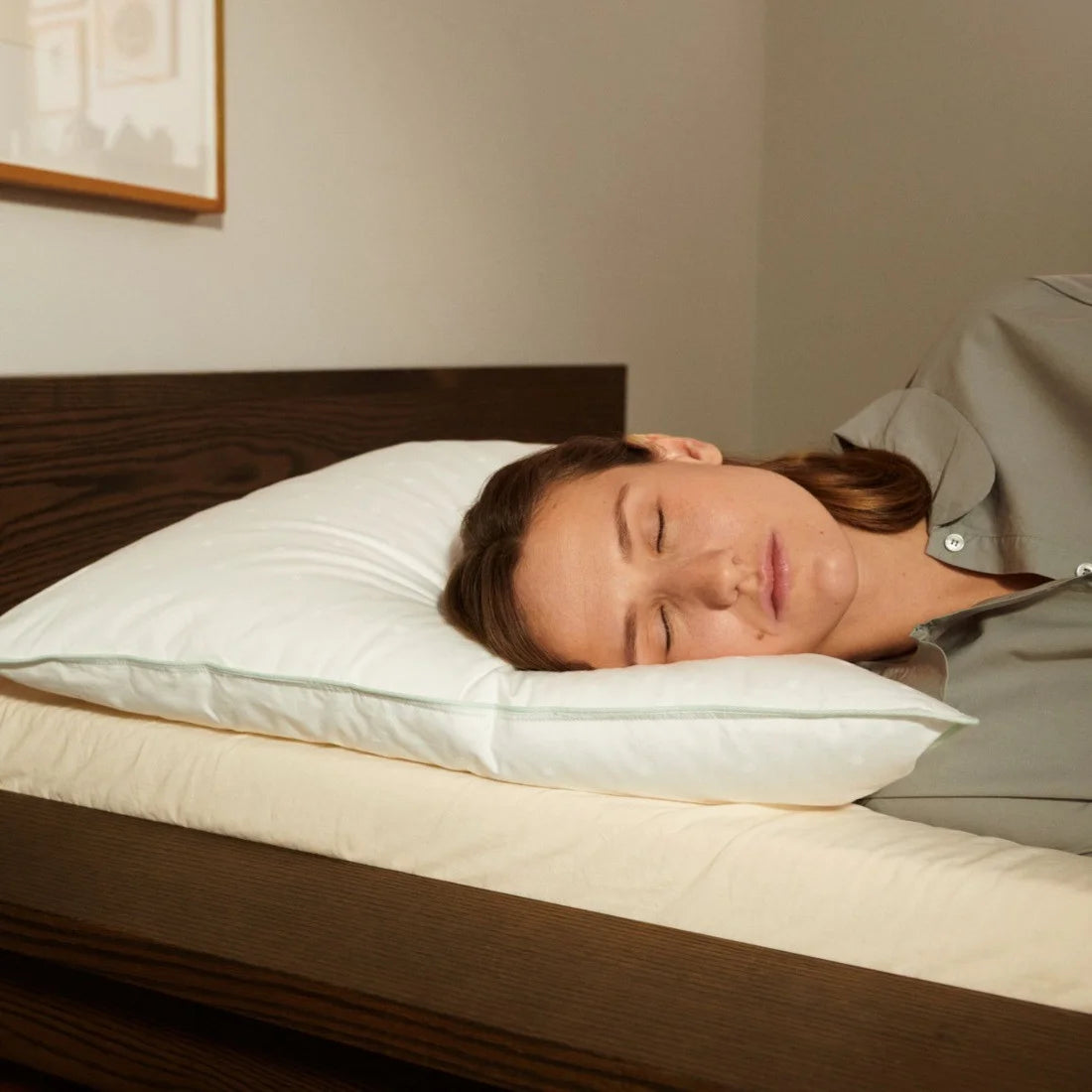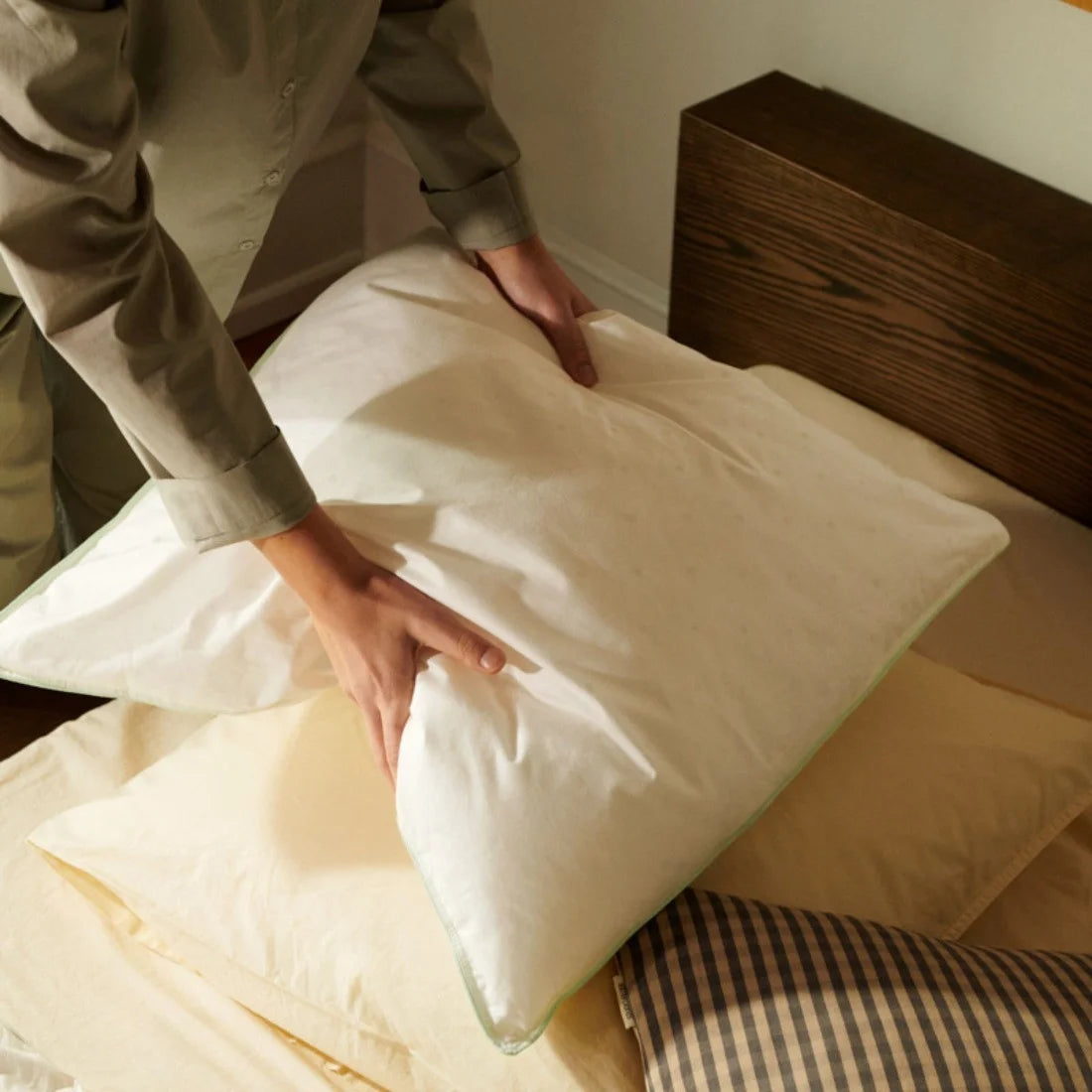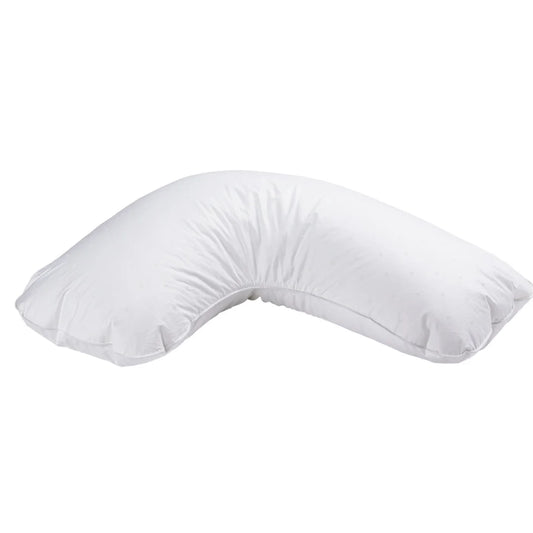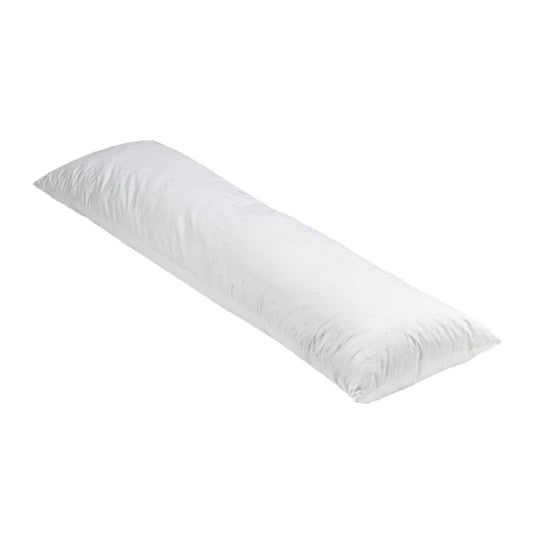

There is no single expiry date that suits every pillow material or every sleeper. Time in use is only one reference point. The decision to replace a pillow should also consider its material, frequency of use, care method, current shape and support.
Instead of replacing it by age alone, check the four signs below. If the pillow shows clear wear and does not improve after care permitted by its label, it may be time to replace it.

How Often Should You Replace a Pillow?
Useful life varies between pillow constructions, and even pillows made from the same material can age differently depending on use, humidity, cleaning and design. A one-, two- or three-year deadline should therefore not be treated as a rule for every pillow.
The product care label and brand instructions should be your first reference. If a pillow still maintains a suitable shape, support and clean condition, its age alone does not necessarily mean it must be discarded.
4 Signs It May Be Time to Replace Your Pillow
1. It stays noticeably flat or unsupportive after reshaping
After fluffing or adjusting the pillow as instructed, check whether it returns to a reasonably even shape. Persistent flattening or excessive sinking can indicate that the filling has worn down.
2. The filling is lumpy, cracked, hardened or crumbling
Fibre and down pillows can develop persistent clumps. Foam or latex pillows can develop cracks, hard areas or crumbs. Consider replacement when this structural wear affects normal use.
3. Odour or staining remains after suitable cleaning and complete drying
Always follow the care label because cleaning methods differ by filling. If persistent odour, mould spots or difficult stains remain after permitted cleaning and thorough drying, the pillow should not continue to be used.
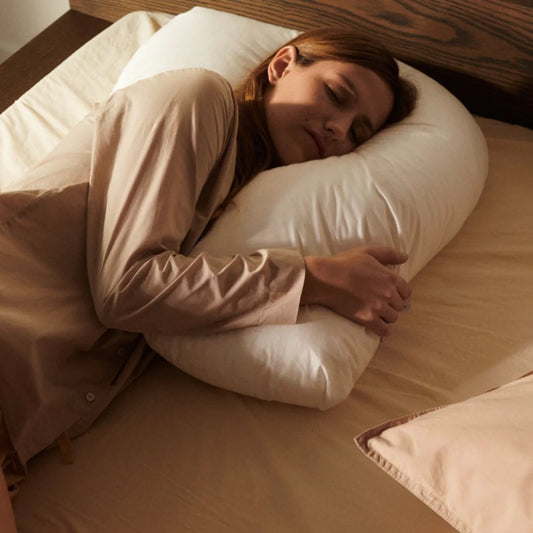
4. It no longer suits your current sleeping position or mattress
Sleeping position, mattress firmness and personal preference can change. Even if the pillow looks intact, it may be worth comparing another design when its height or support no longer suits your current needs.

What to Check by Pillow Material
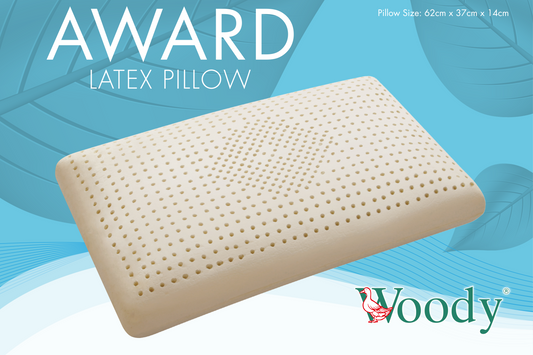
- Latex or foam: Look for persistent deformation, hardening, cracks or crumbling. Do not machine-wash the core unless the care label specifically permits it.
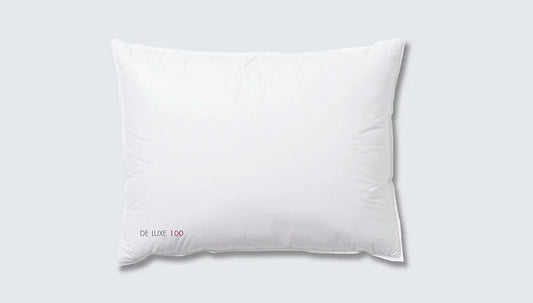
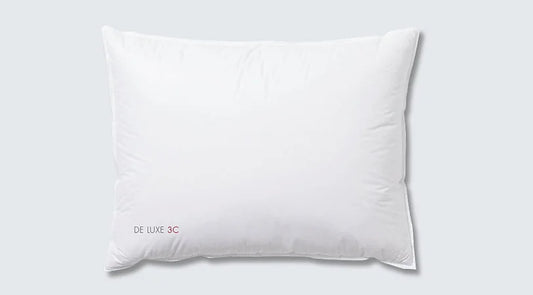
- Down or feather: Check whether the filling remains clumped or flat after fluffing and complete drying, and whether damaged seams allow excessive feather leakage.
- Polyester fibre or other fluffable filling: Check for filling that no longer redistributes, persistent lumps or noticeably uneven thickness.
- Adjustable fill: Follow the product instructions to redistribute, add or remove filling before deciding whether the whole pillow needs replacement.
Everyday Pillow Care
- Use a suitable pillow protector and wash pillowcases and protectors regularly according to their labels.
- Keep the pillow dry and well ventilated, and make sure it is completely dry after cleaning before using it again.
- Wash the pillow core only when its care label permits it, following the stated water temperature, drying and reshaping instructions.
- Inspect the cover, zip, seams and filling periodically so minor wear can be addressed early.
If you have a diagnosed dust-mite allergy, ask a healthcare professional about suitable barrier covers and bedding-cleaning routines. Persistent allergy, breathing or skin symptoms should not be attributed to a pillow without appropriate medical advice.
Final Check Before Replacing
Read the care label, try the permitted cleaning and reshaping steps, and then reassess its shape, support, odour and structure. Replacing it when problems persist is more practical than discarding a pillow solely because it has reached a particular age.
Explore the BIG Living pillow collection to compare materials, shapes and adjustable designs, or read the pillow height guide.