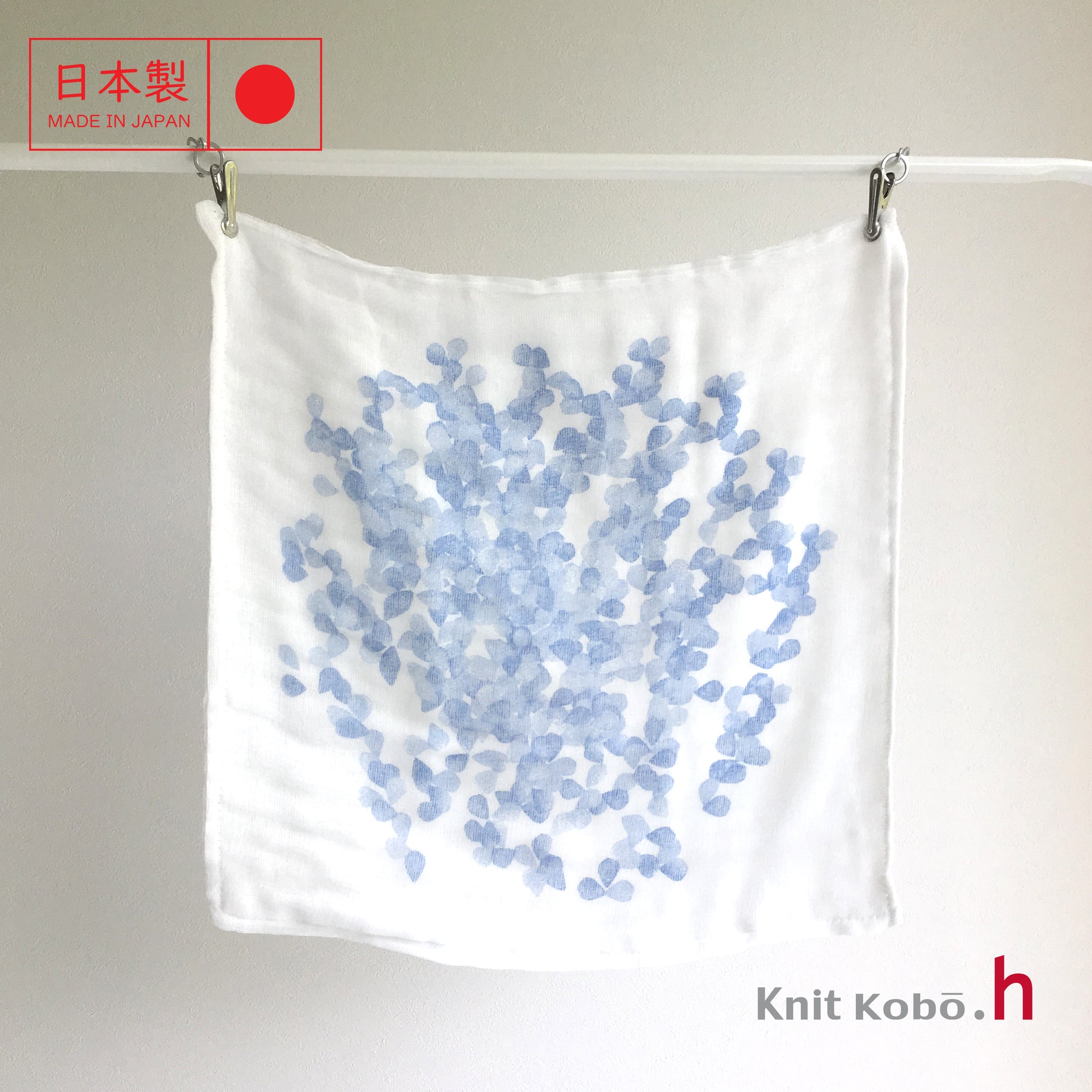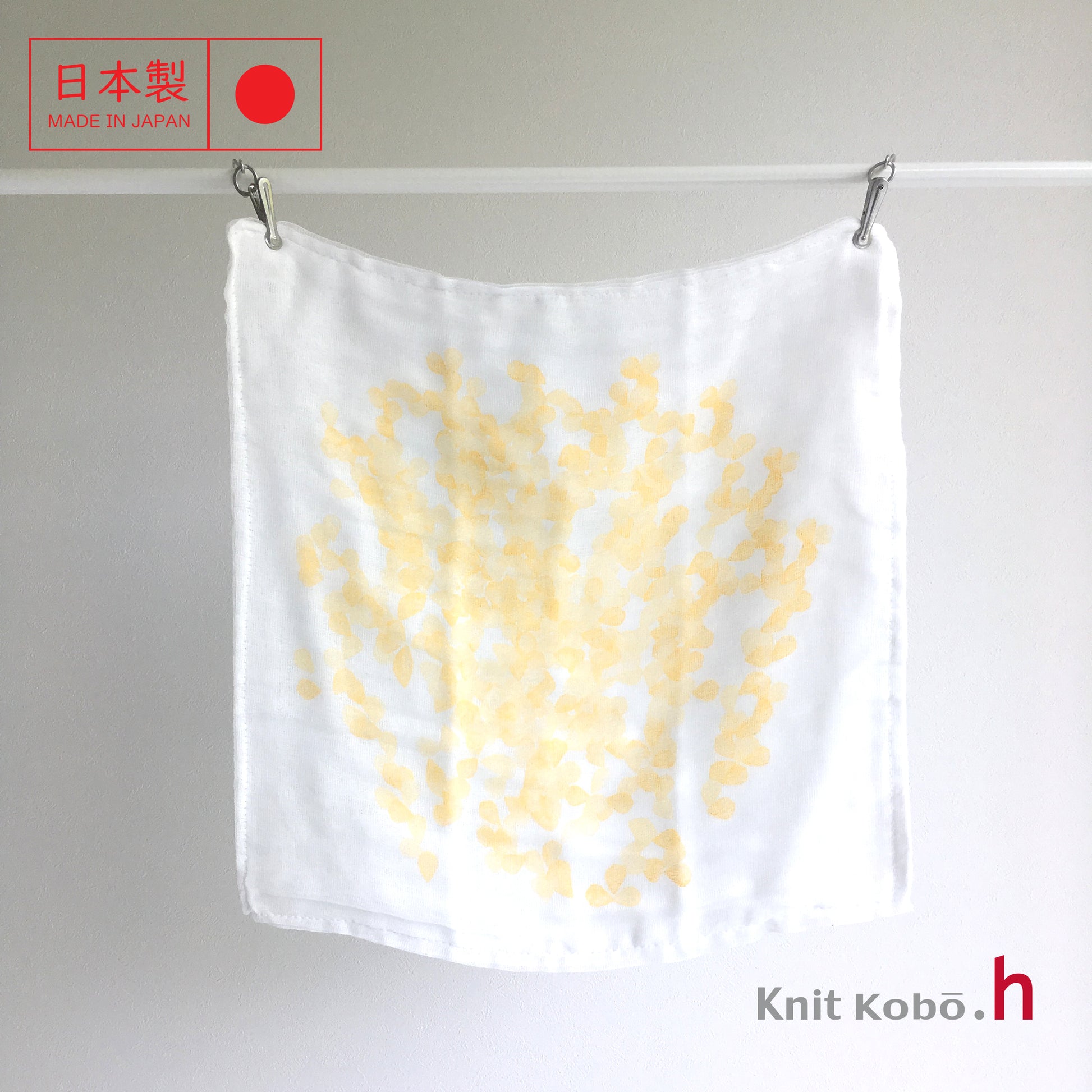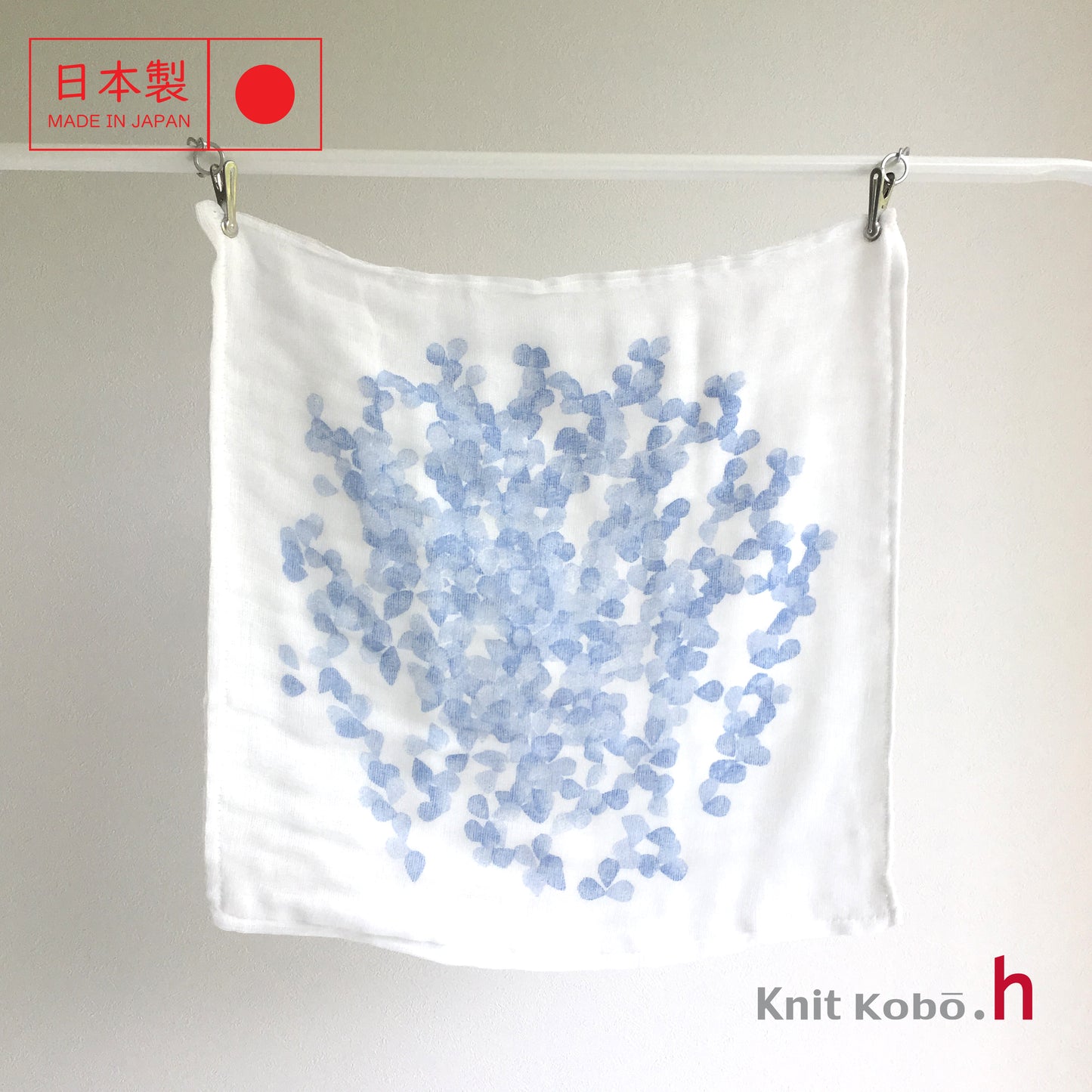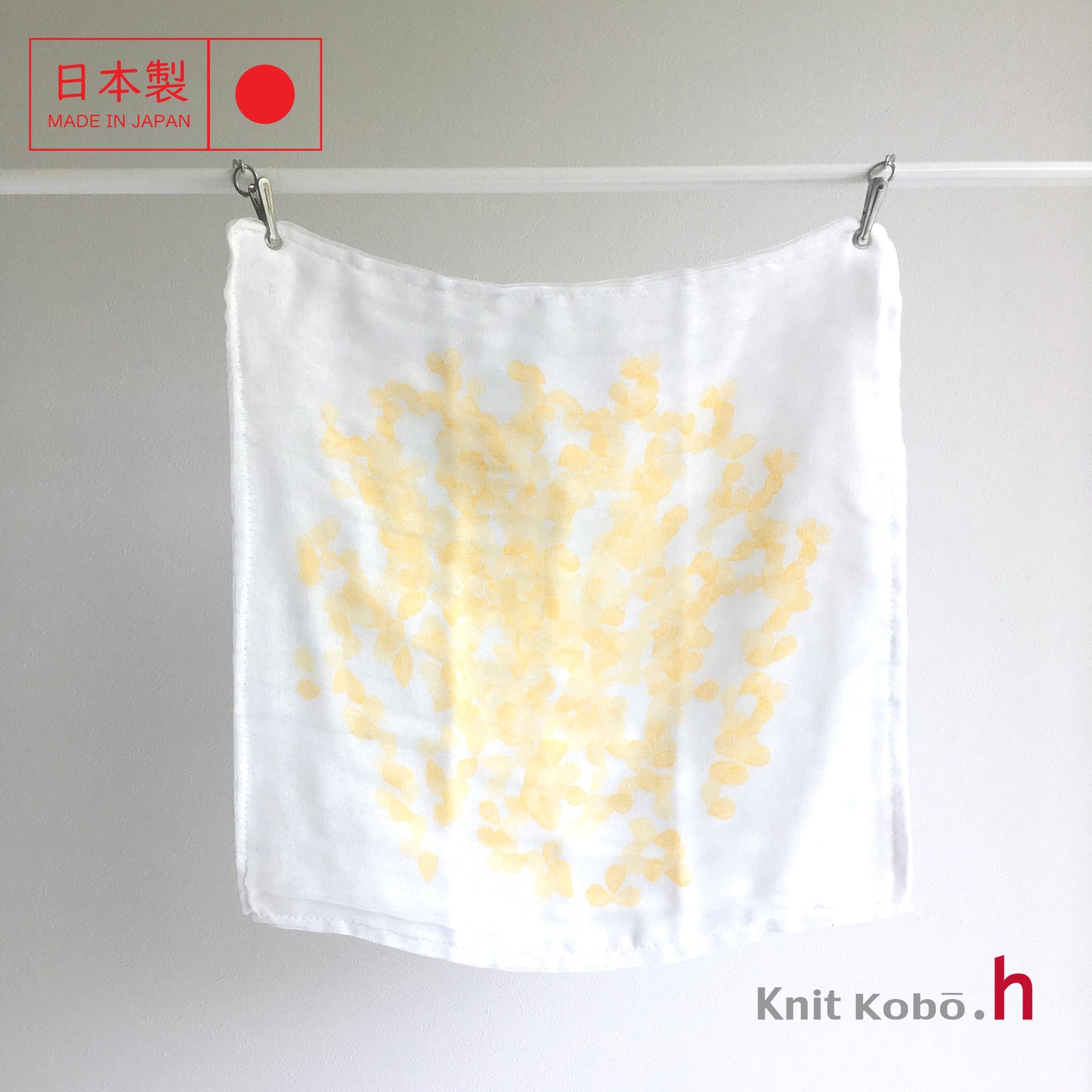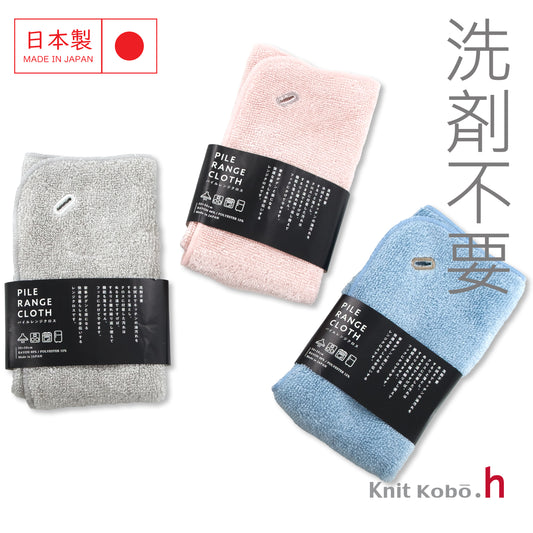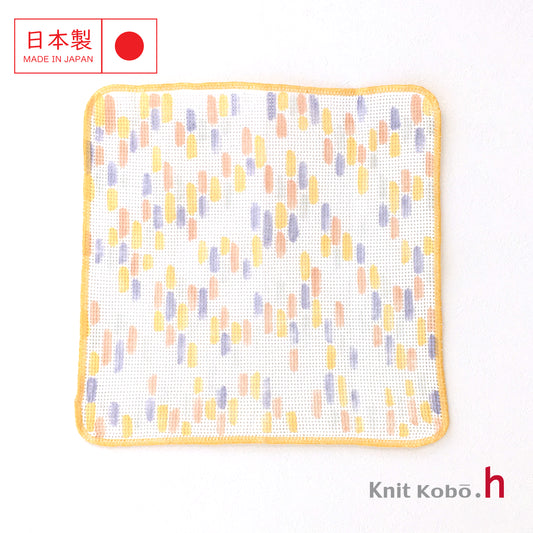

A kitchen cloth may look simple, but its fibre, weave, number of layers and size affect absorbency, drying time, feel and intended use. The Knit Kobo.h range contains different constructions; not every product uses the same fabric or provides the same function.
Check the material, construction, dimensions, functional information and care instructions stated for each product. This guide explains the main technical differences to help you choose according to use.
Which Knit Kobo.h Kitchen-Cloth Constructions Are Available?
Cotton Knitted Cloths
Knitted fabric is formed from interconnecting loops and will often feel softer and more flexible than a conventional woven cloth. BIG Living's current product information for the cotton knitted multipurpose cloth describes high absorbency, quick drying and no fluorescent agent. Check the individual product page for current colours, dimensions and availability.
Multilayer Gauze Cloths
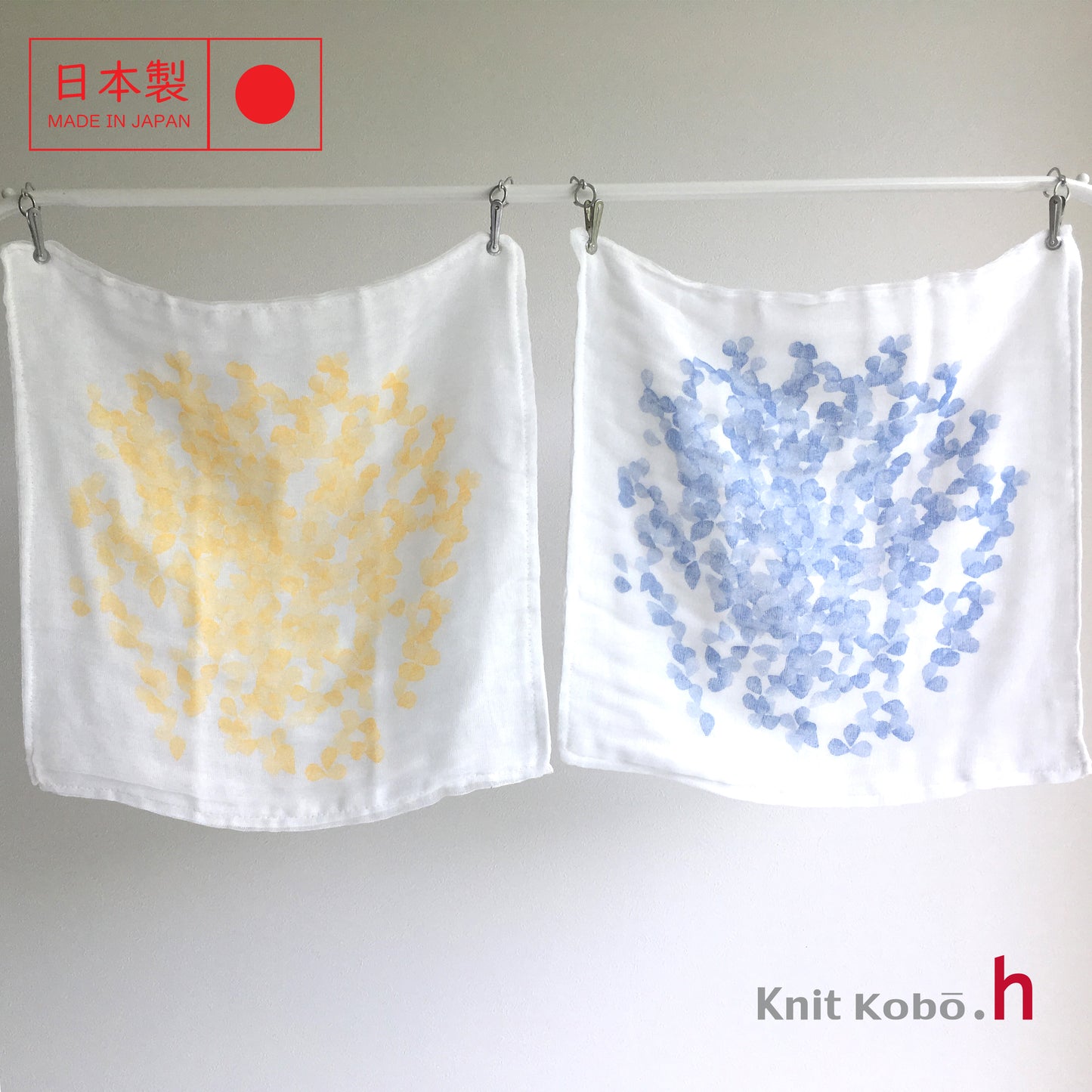
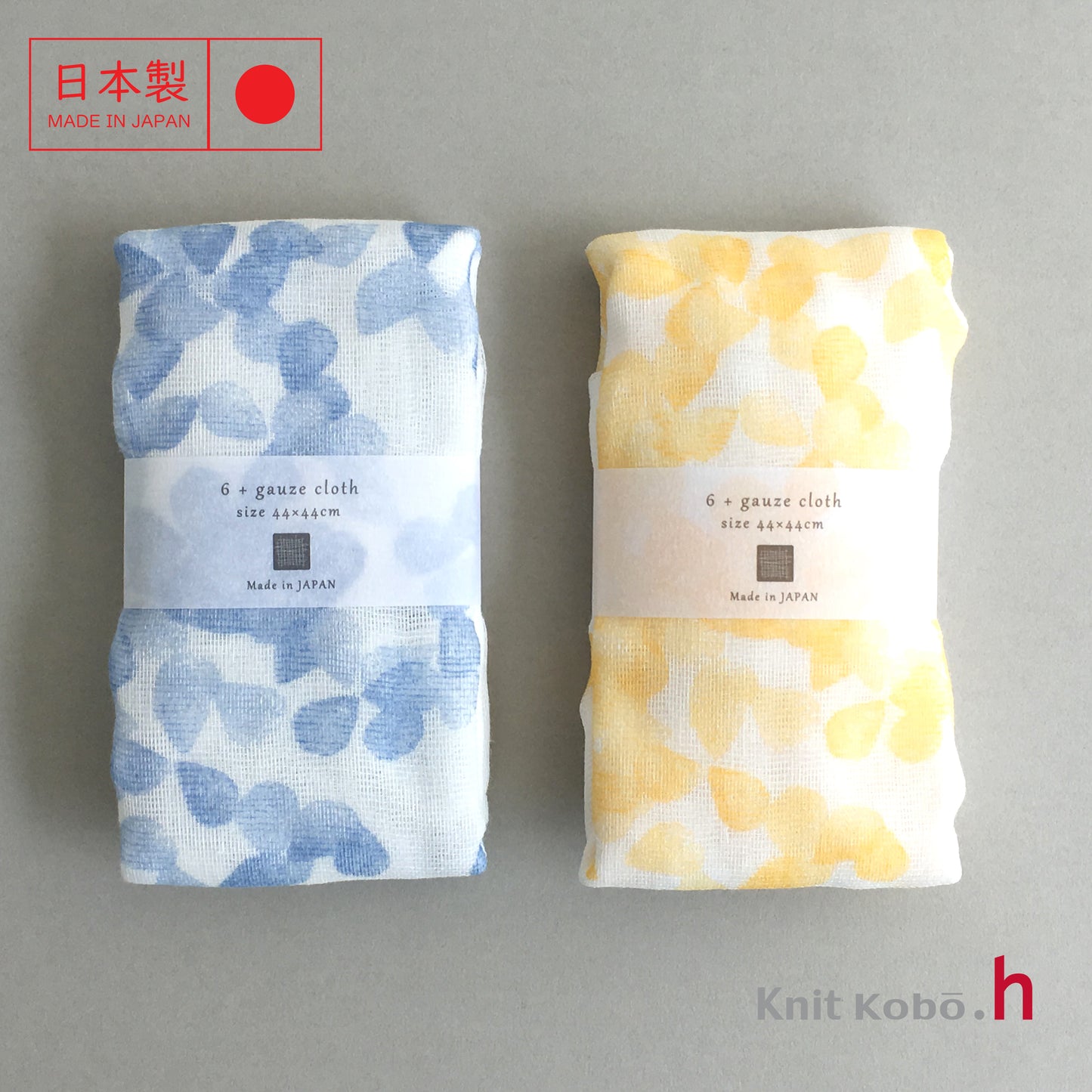
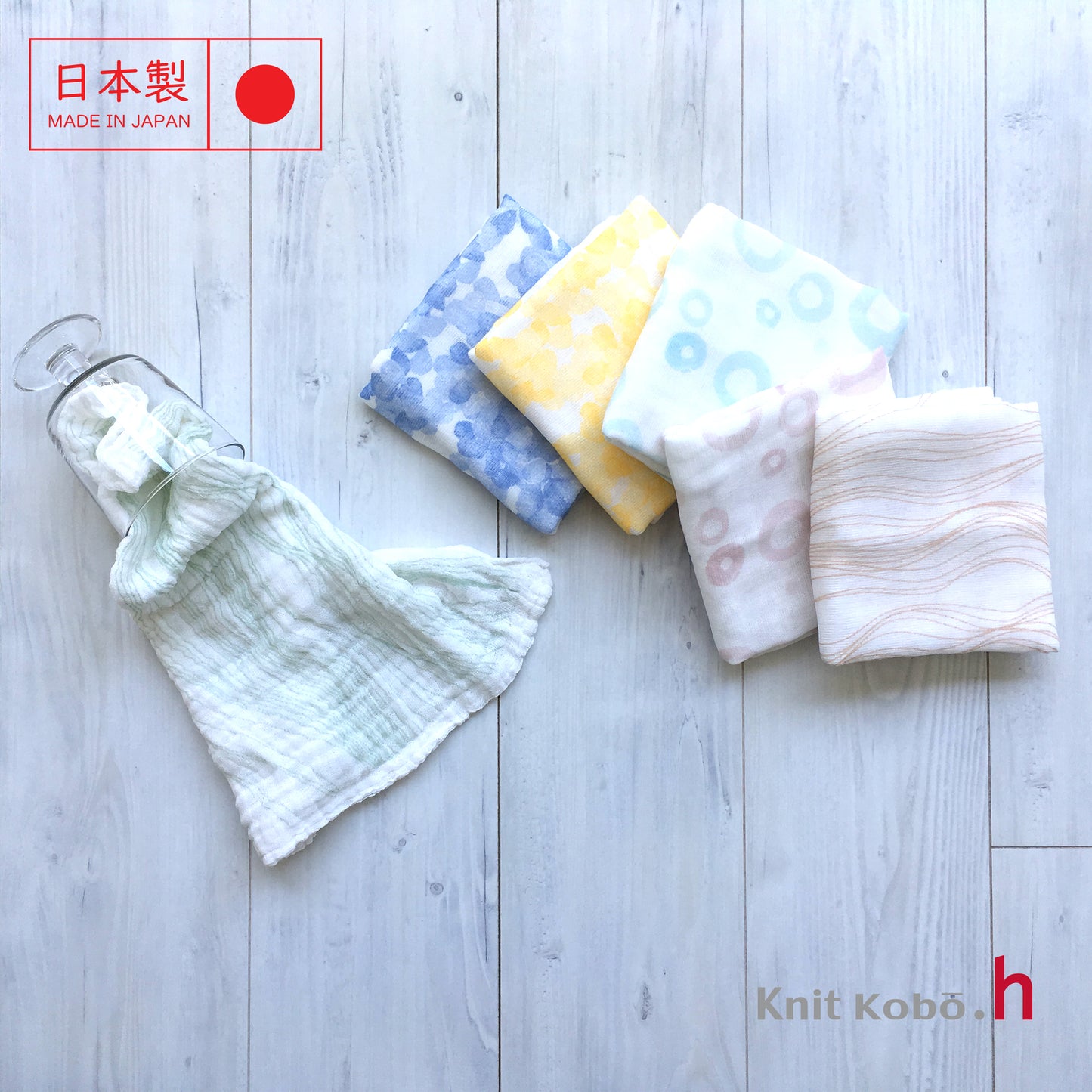
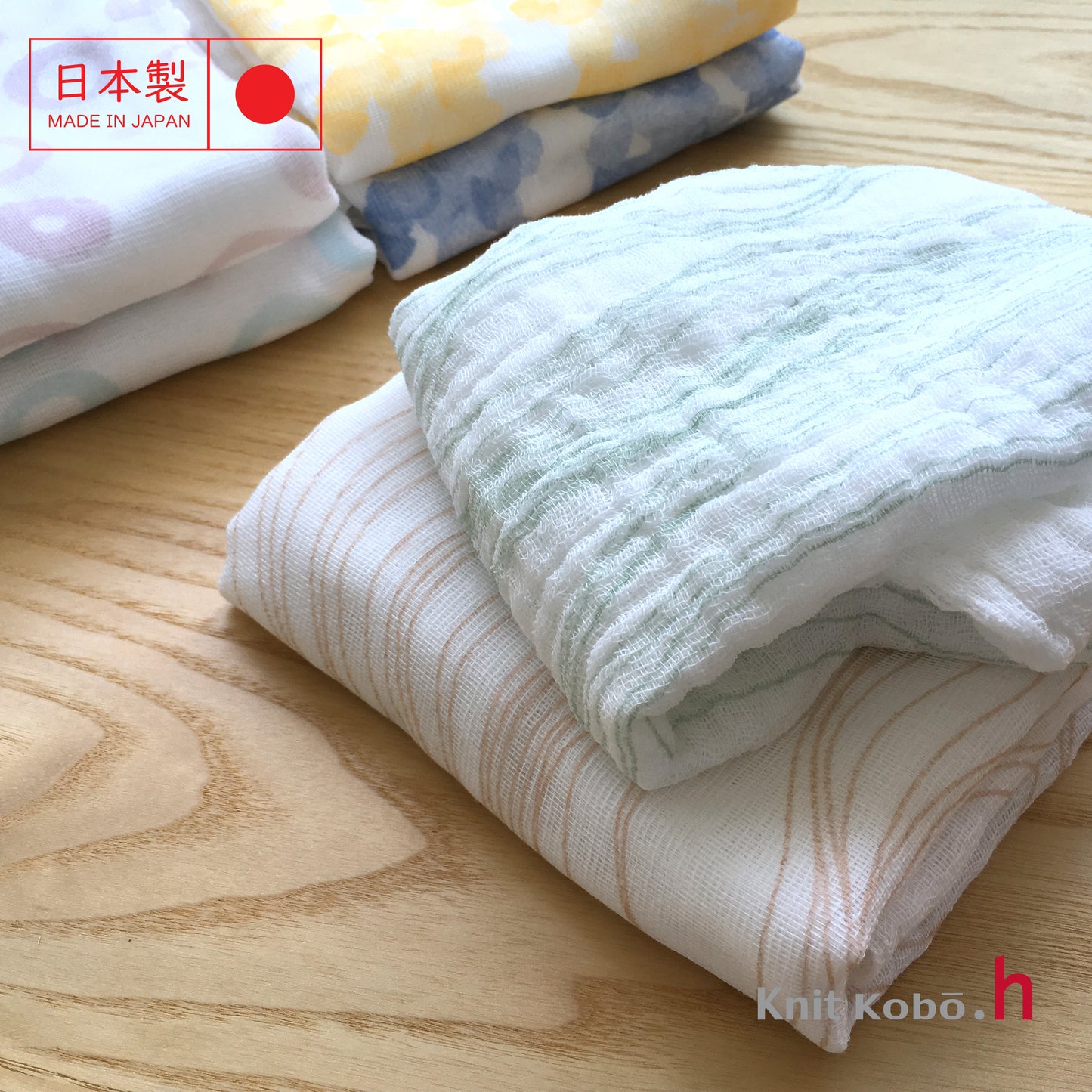
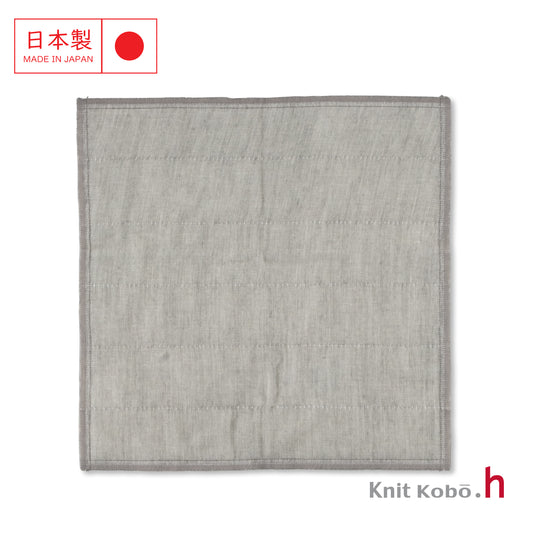
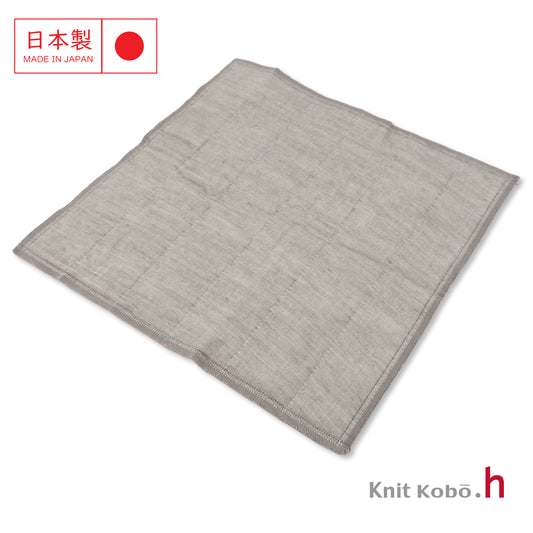
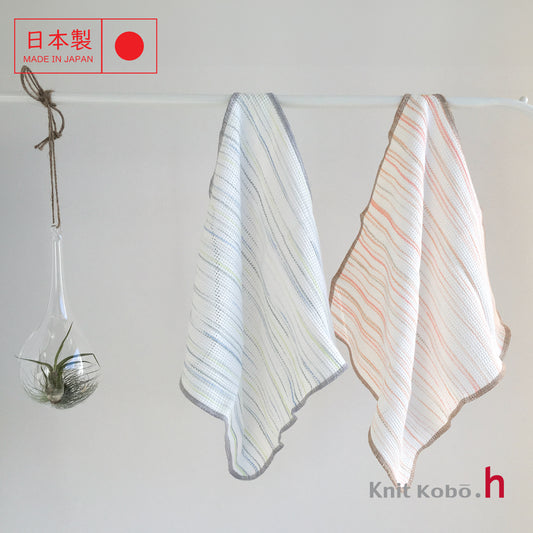
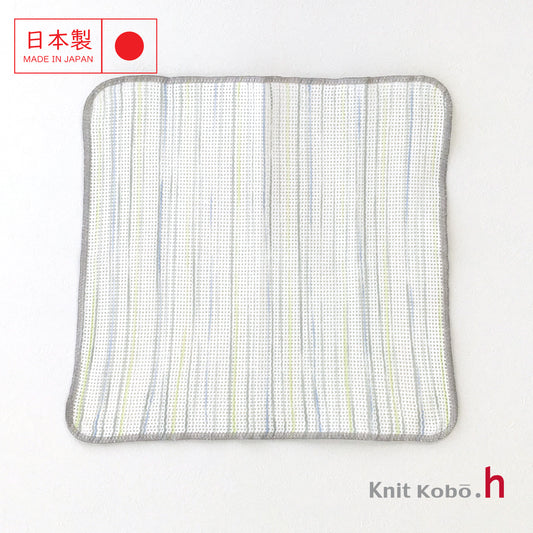
Selected cloths use six, seven or eight layers of gauze. A relatively open multilayer construction can create space between the layers, adding body and absorbent surface area while allowing air to circulate. Softness after washing, shrinkage and drying time still depend on the material, dimensions and actual weave.
Not every multilayer gauze cloth necessarily uses the same fibre. Do not apply a 100% cotton specification from one product to the whole range; check each product's material information.
Kitchen Products with Functional Fibres
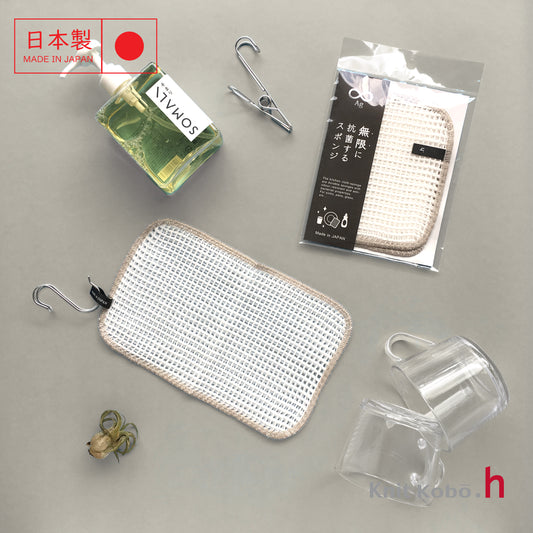
Selected Knit Kobo.h kitchen products incorporate functional fibres in part of their yarn, including MÜFUN® pure silver fibre. Other products use yarn associated with Kishu binchotan charcoal. These features apply only to products that state them and not to every Knit Kobo.h cloth.
Where a product page presents antibacterial, odour-control or test data, interpret it according to that product's supplier information, test conditions and stated scope. These features do not replace normal washing, complete drying or appropriate food-safety practices.
Are Absorbency and Quick Drying the Same?
Absorbency is the ability to take up liquid. Quick drying describes how readily the absorbed moisture leaves the cloth. The two characteristics are related but not identical.
- Fibre: Affects water uptake, feel and drying performance.
- Construction: Knit, woven and gauze structures provide different thickness, flexibility and airflow.
- Layers and thickness: A thicker or multilayer cloth may hold more water, while actual drying time also depends on the fibre and drying conditions.
- Size: A larger cloth provides more contact area but also needs enough open space to dry after use.
Absorbency and quick drying should not be treated as universal guarantees for every product from the brand. Compare the description and intended use of the specific cloth.
Choose a Kitchen Cloth by Use
- Worktops and water spills: Compare absorbency, size and how the cloth feels after wringing.
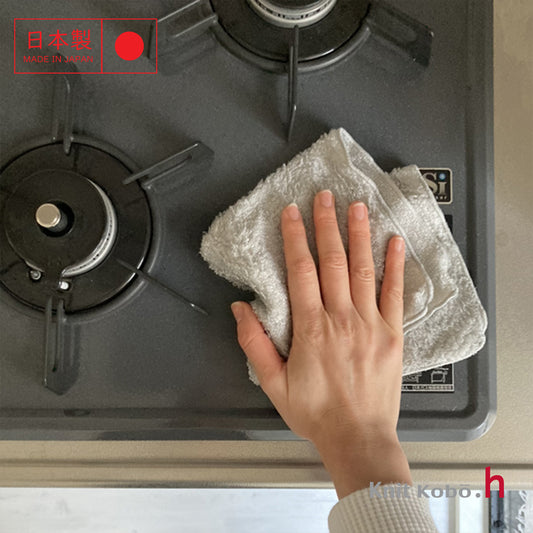
- Cooktops and grease: Check whether the product is specifically described for greasy surfaces and whether cleaning detergent is required.
- Dishes or glassware: Compare softness, lint performance and the product's stated uses.
- Drying dishes: An absorbent drying mat is normally larger than a general cloth and may use multilayer or cushioning construction.
- General-purpose cleaning: Cotton knit and multilayer gauze products can support different tasks, but cloths used for different sources of contamination should be kept separate.
Design, Hanging Loops and Storage
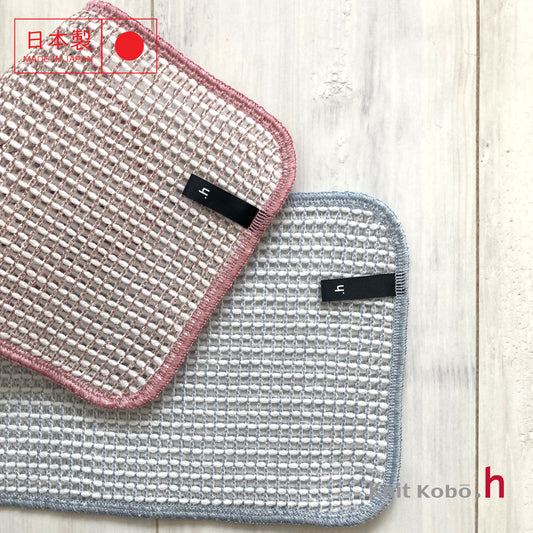
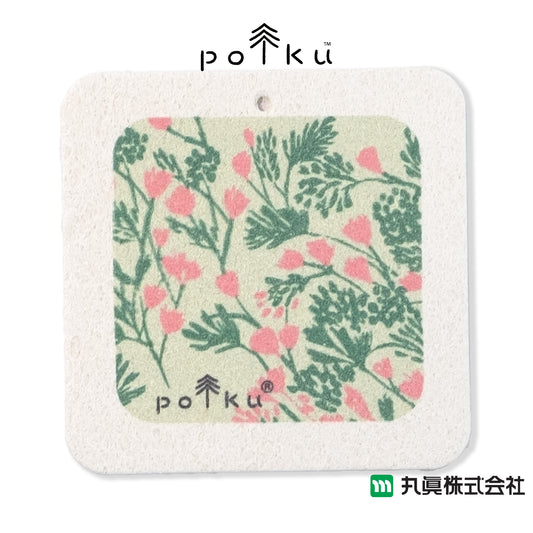
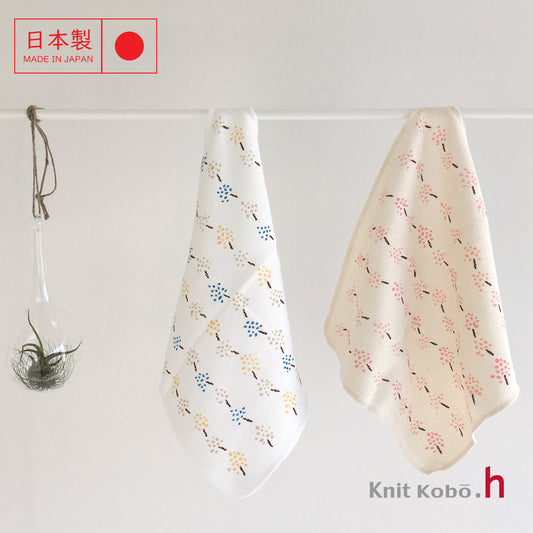
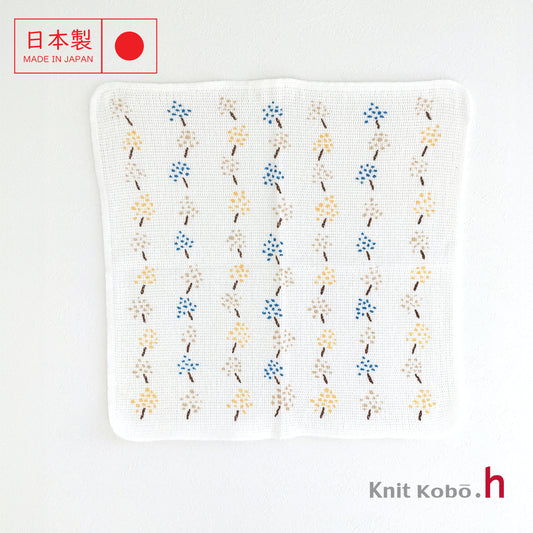
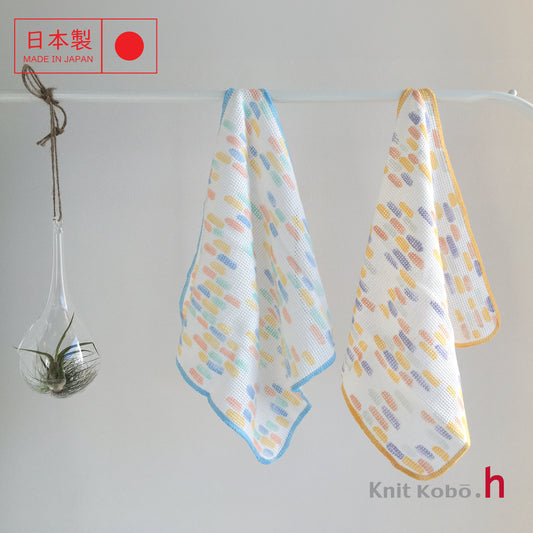
The Knit Kobo.h range includes solid colours, printed designs, embroidery and different fabric constructions. Some products include hanging loops for open drying, but this feature does not apply to every item.
After use, avoid leaving a damp cloth folded or in an enclosed area. Open it fully and allow it to dry completely to reduce retained moisture and odour. Colours or patterns can help identify separate cloths for worktops, cooktops and dishes.
How Should You Wash a Knit Kobo.h Cloth?
Wash the cloth promptly after use, open it fully and allow it to dry in a ventilated area. Materials and designs can have different care requirements, so follow the individual product's care label for water temperature, bleach and tumble drying.
Reuse and Disposable-Waste Reduction
Washable, reusable cloths can help reduce the use of kitchen paper and disposable wipes. Choosing the right cloth for the task and caring for it correctly can extend its useful life.
Explore Knit Kobo.h Kitchen Products
Browse the BIG Living kitchen collection to compare Knit Kobo.h cotton knit, multilayer gauze, drying mats and other kitchen-cleaning products. Materials, designs, functions and availability vary by item; check each product page for current information.