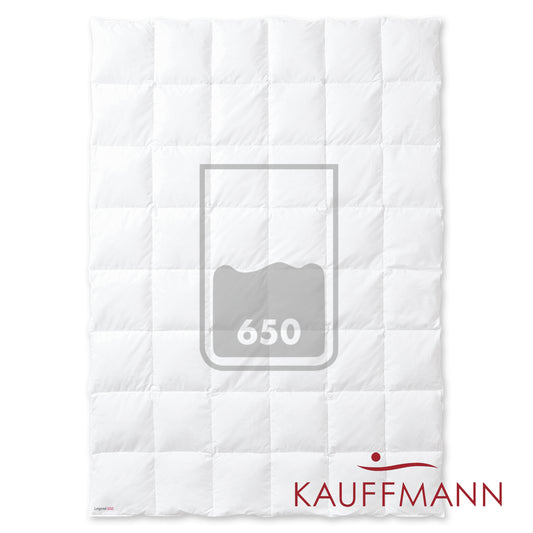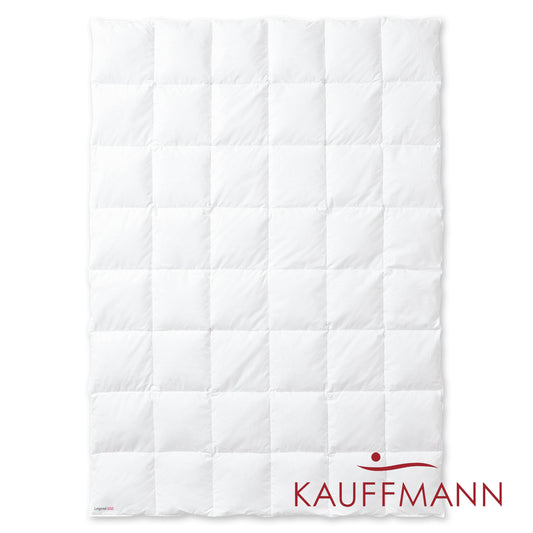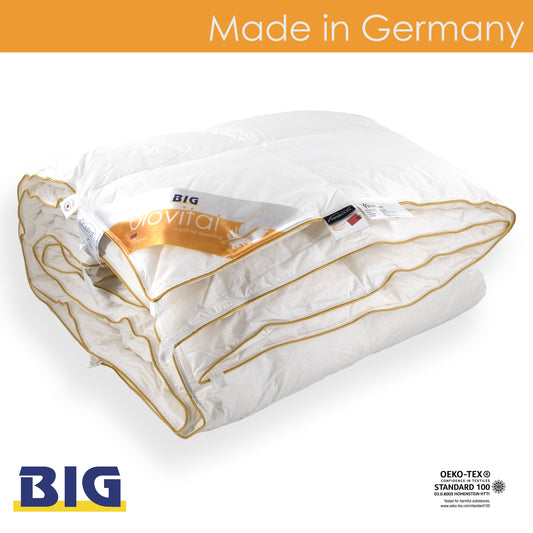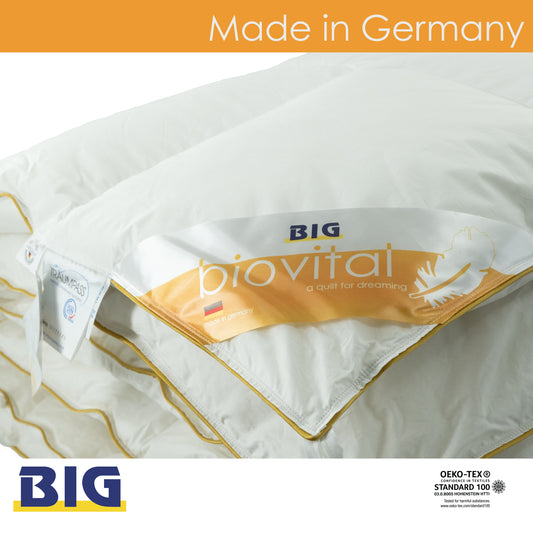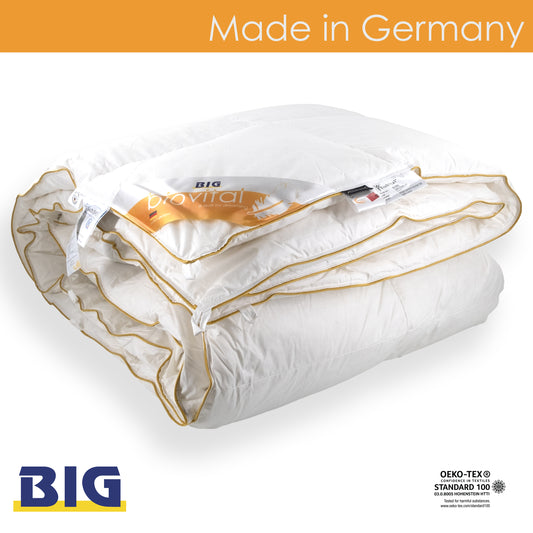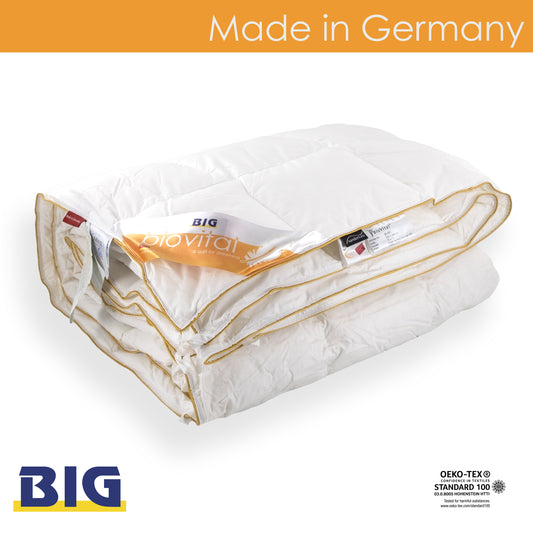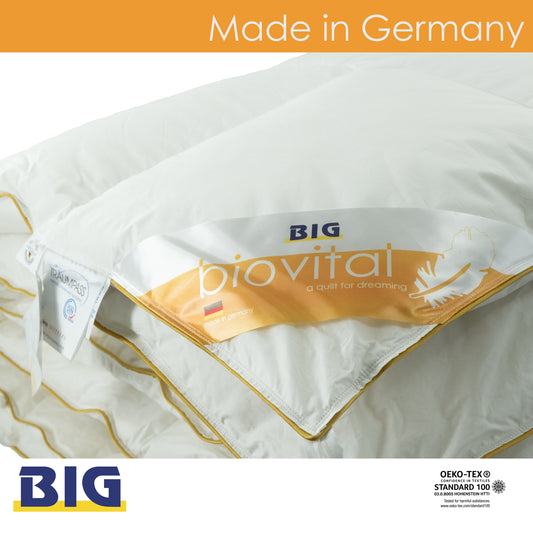

When comparing down duvets, fill power and fill weight are two different but related specifications. Fill power describes how efficiently the down expands and creates loft. Fill weight tells you how much down is actually inside the duvet. Both should be considered together.
What Is Down Fill Power?
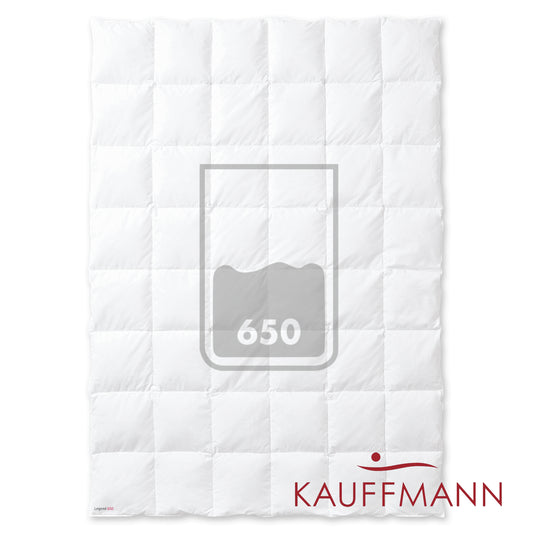
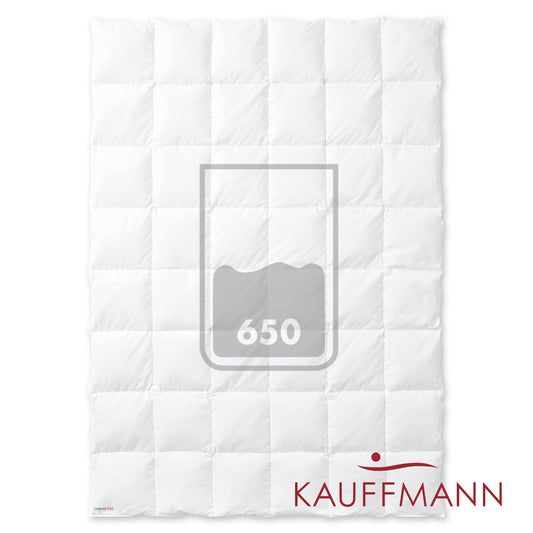
Fill power normally describes the volume occupied by a fixed weight of down, commonly expressed in cubic inches. A higher value generally indicates larger, more resilient down clusters that can create more loft and hold air efficiently.
Higher-fill-power down may therefore produce a similar level of loft with less filling weight, allowing a duvet to feel lighter. However, fill power is not the only factor that determines the total warmth of a duvet.
Does Higher Fill Power Always Mean a Warmer Duvet?
Not necessarily. When fill weight, size and construction are comparable, higher-fill-power down can generally create more loft and provide more efficient insulation. However, total warmth also depends on fill weight, duvet size, seasonal construction, down and feather composition, baffle design, shell fabric, room temperature and sleeping preferences.
A fill-power number alone cannot tell you which complete duvet is the warmest.
Fill Power vs Fill Weight
- Fill power: Describes how efficiently the down creates loft and holds air.
- Fill weight: The amount of filling inside the duvet, normally stated in grams.
High-fill-power down can be used in summer, all-season and winter duvets. When comparing duvets of the same size and a similar intended warmth level, higher-fill-power down may create the required loft with less filling, helping the duvet feel lighter. Whether a duvet is designed for summer, all-season or winter use still depends on its actual fill weight and construction.
How to Compare Down Duvets
- Compare the same size and season: Summer, all-season and winter duvets use different amounts of filling and should not be compared by fill power alone.
- Check the down and feather composition: The stated percentages affect feel, loft and price.
- Check fill power: Higher fill power generally creates more loft from a given weight of down.
- Check fill weight: When size, construction and fill power are comparable, more fill weight generally provides greater warmth, but the duvet may also feel heavier.
- Check the shell and construction: Down-proof fabric, baffle design and stitching also affect weight, comfort and filling distribution.
Which Fill Power Should You Choose?
There is no single fill-power number that is best for every customer. Higher fill power may suit customers who value a lightweight, lofty feel and efficient insulation. A duvet with a more moderate fill power and suitable fill weight can still provide excellent comfort and may offer better value.
Also consider bedroom temperature, air-conditioning use, whether you tend to feel hot or cold, whether you prefer a light or weightier duvet, and whether it is intended for summer, all-season or winter use.
Does the Origin of the Down Determine Quality?
Origin is useful product and traceability information, but a country or region alone does not prove the quality of a duvet. Compare the specifications provided for the actual product, including down percentage, fill power, fill weight, shell fabric, manufacturing origin and relevant certifications. Avoid assuming quality from origin alone when measurable product information is unavailable.
Two Specifications to Remember
Fill power measures loft efficiency. Fill weight measures the amount of filling. Higher fill power does not automatically make every duvet warmer, and higher fill weight does not automatically make it more comfortable. Compare products of the same size and season using fill power, fill weight, composition, shell fabric and construction together.
Explore the BIG Living down duvet collection, read How to Choose a Down Duvet, or visit the revised Down Duvet Washing and Storage Guide.