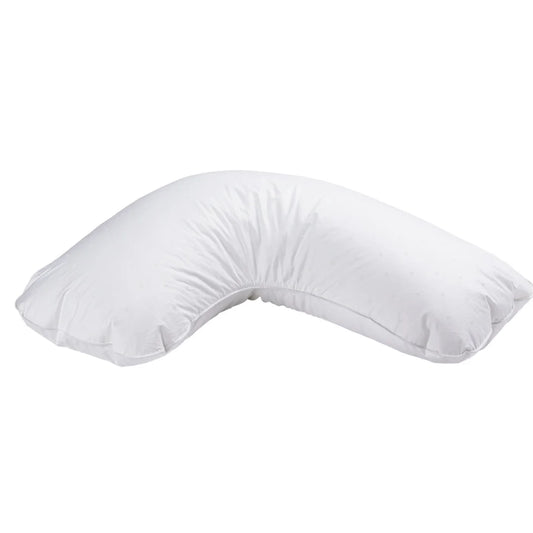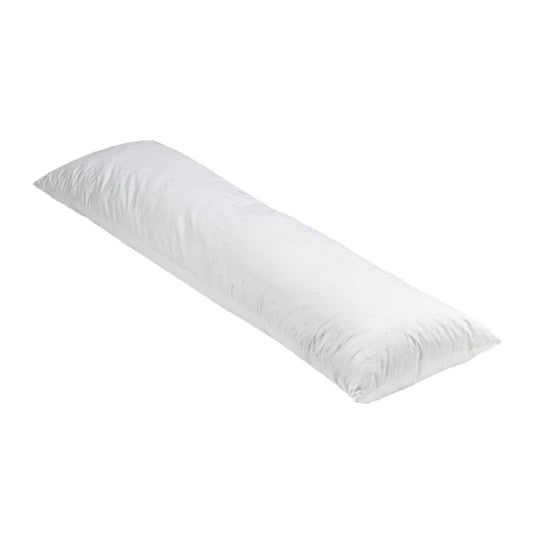

Pillow height, support and materials can affect how comfortable a pillow feels. When choosing one, start with your usual sleeping position, mattress firmness, shoulder width and personal preference, then compare different shapes and constructions.

How to Choose a Pillow for Your Sleeping Position
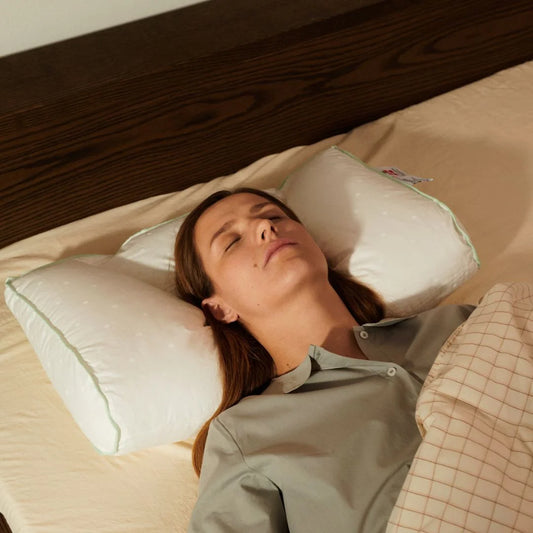
Back sleeping
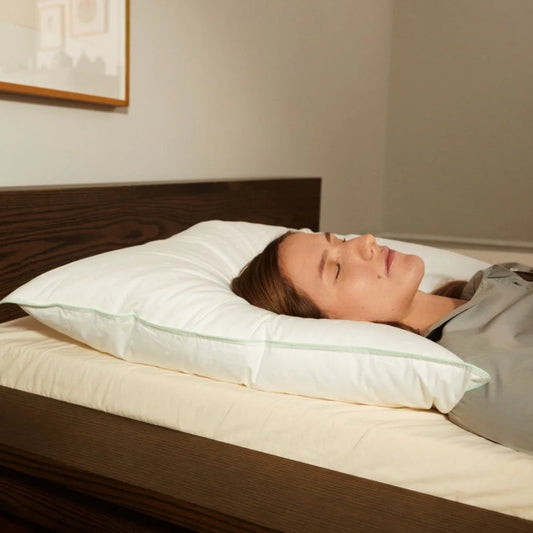
Start by trying a medium-height pillow that supports your head and neck. When lying down, your head should not be pushed noticeably forwards or allowed to tilt too far backwards.
Side sleeping
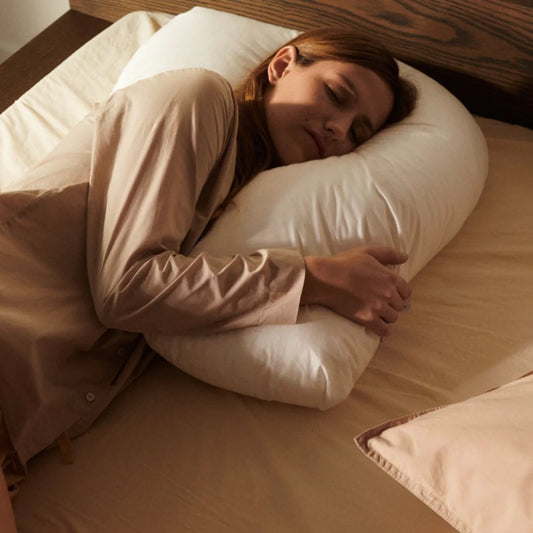
A side-sleeping pillow generally needs to fill the space between your head and the mattress. People with broader shoulders or a firmer mattress may prefer a higher or more supportive option, but individual needs vary.
Stomach sleeping
Stomach sleepers can generally begin by comparing thinner, softer pillows so the head is not raised too high. If any sleeping position causes continuing discomfort, seek advice from a qualified healthcare professional.
There is no single pillow height that suits everyone. When comparing pillows, consider whether your head and neck remain in a natural, comfortable position and adjust according to how the pillow feels.
For more detail, read our Pillow Height Guide.
Compare Pillow Materials and Construction
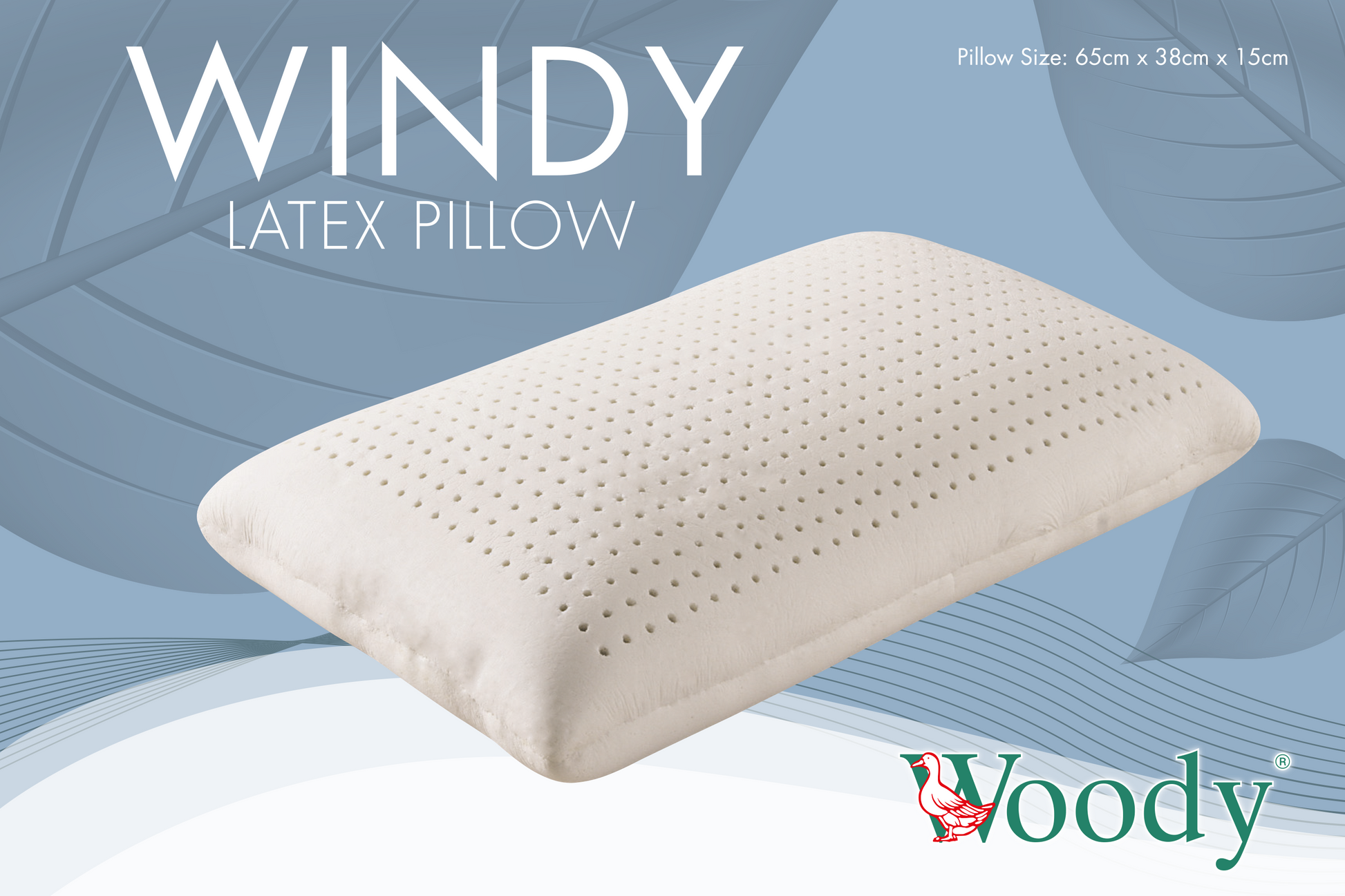
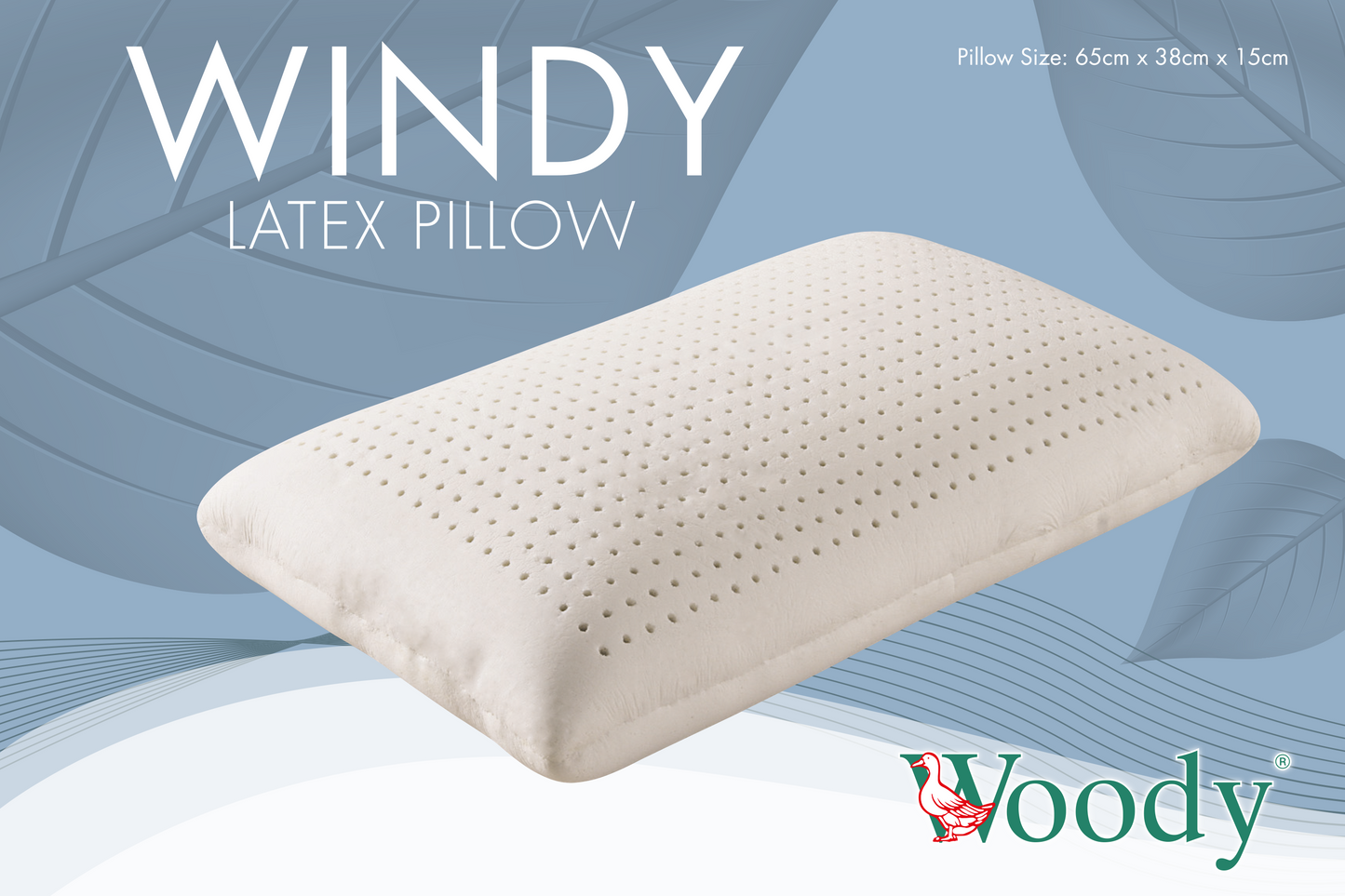
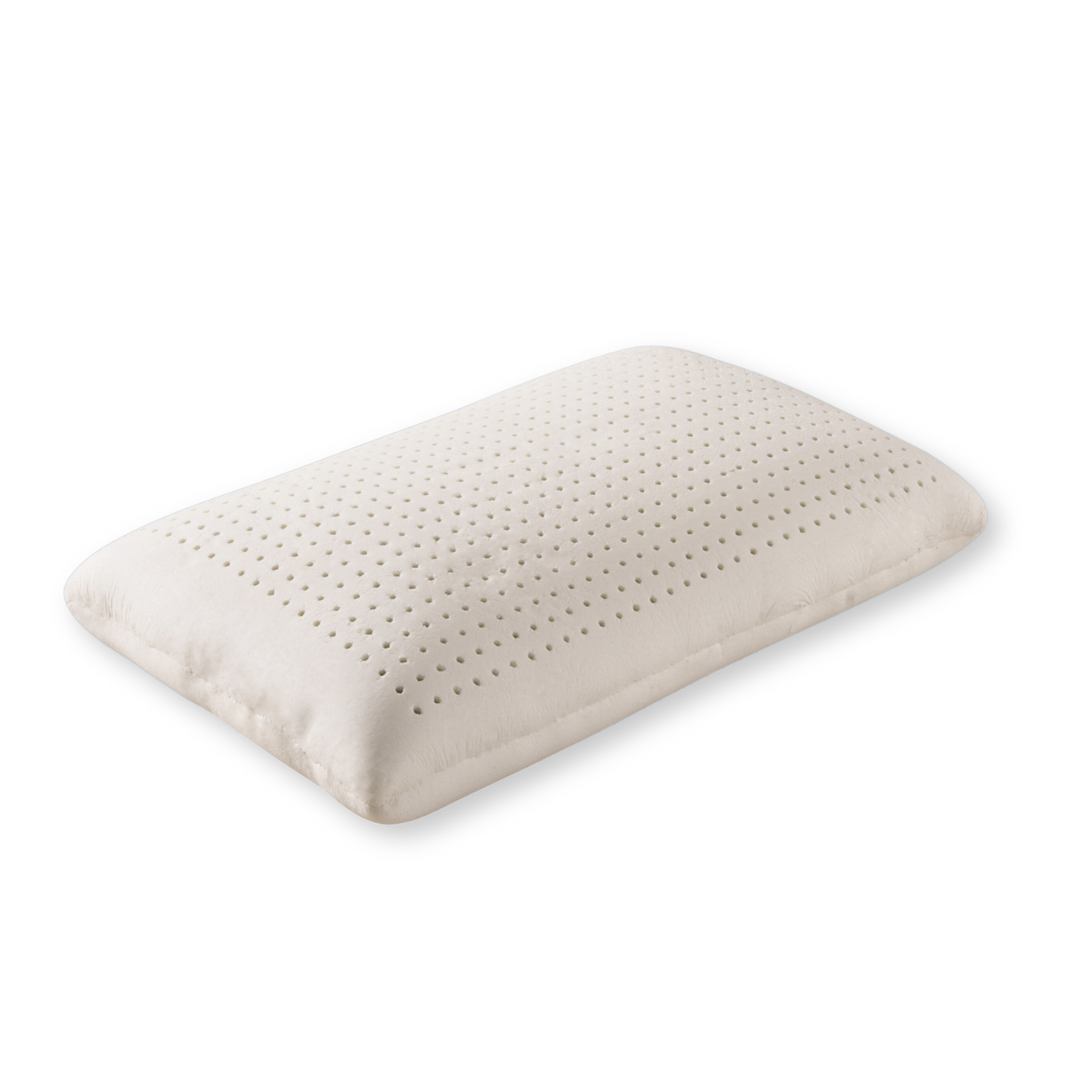
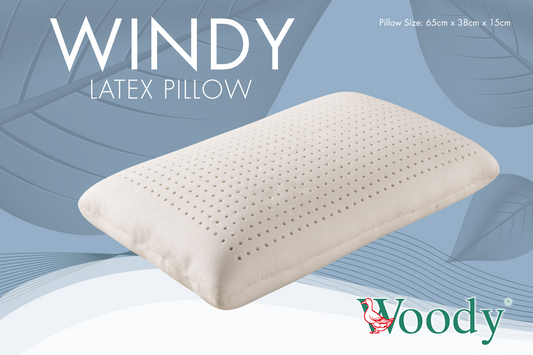
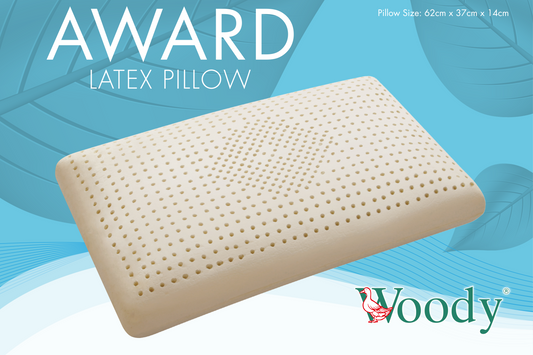
- Natural latex pillows: These generally have a fixed shape and height. Compare the contour, support and suitability for your usual sleeping position. View the natural latex pillow collection.
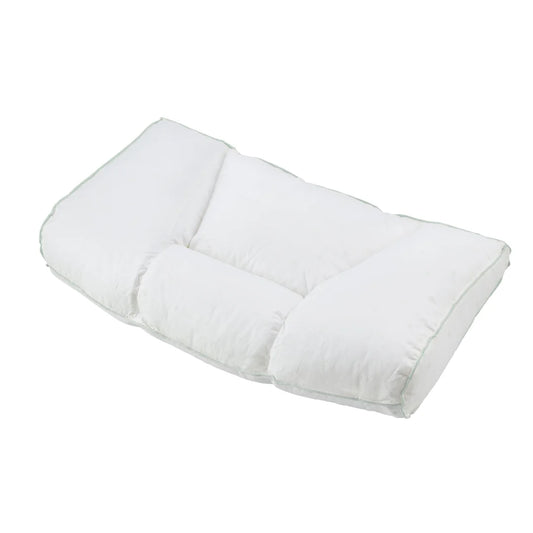
- Adjustable fibre pillows: Some designs allow the filling quantity to be changed, making it easier to adjust the height and feel. View an adjustable fibre pillow.
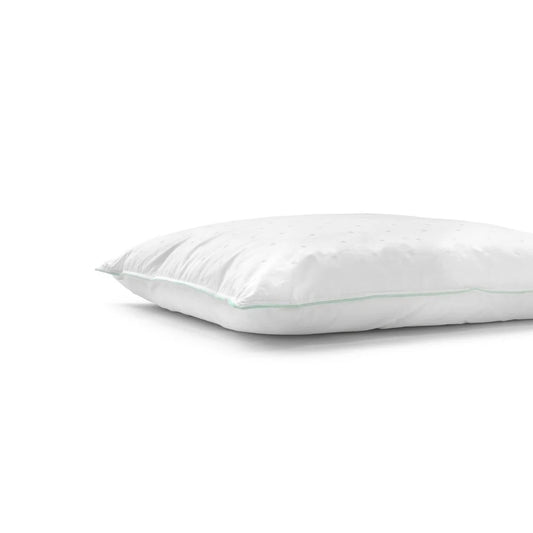
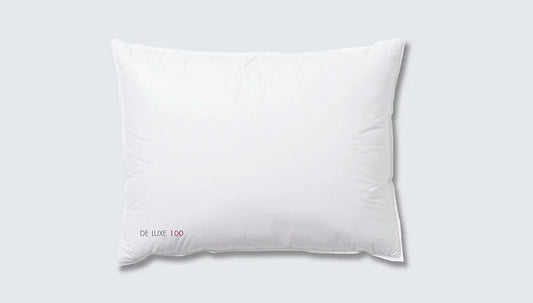
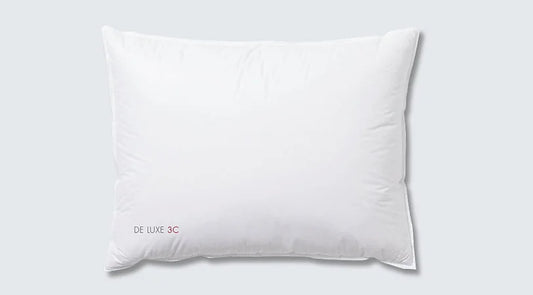
- Down or blended-fill pillows: These generally have a softer feel. Compare the fill quantity, resilience and level of support you prefer.
When Should You Replace a Pillow?
There is no fixed replacement period that applies to every pillow material. Useful life varies according to the material, frequency of use, cleaning method and care. Consider replacing a pillow when:
- It is visibly misshapen and does not recover after reshaping.
- Its support feels noticeably different from when it was new.
- Odours or stains remain after cleaning according to the product instructions.
- The cover, inner layer or filling is damaged.
- The current height or firmness no longer suits your needs.
Cleaning instructions vary by material, so always follow the relevant product page and physical care label.
For a fuller condition check, read How Often Should You Replace a Pillow?
A Simple Checklist Before Buying a Pillow
- Identify whether you mainly sleep on your back, side or stomach.
- Compare height, shape, firmness and whether the pillow is adjustable.
- Consider how mattress firmness and shoulder width affect the fit.
- Check the materials, care instructions and product dimensions.
Explore the BIG Living pillow collection to compare different materials, shapes and support options.